Empowering Your Cancer Journey: Essential Resources and Wellness Tips for Patients and Survivors
Cancer is a journey, unlike any other, one that can often feel overwhelming, unpredictable, and lonely. However, navigating through it doesn't have to be a solitary experience. From the moment of diagnosis, you have access to a wealth of resources and information that can empower you through your unique cancer journey. The process may seem daunting, but understanding the pathways that lead to hope, healing, and wellness is not only possible—it's essential.
Have you ever thought about what it means to truly navigate your cancer journey? A diagnosis of cancer can feel like a sudden detour in life. But just like understanding the map on a road trip, gaining knowledge about your diagnosis, tumor types, and cancer treatment options is key to regaining control over your health. Educational resources can empower patients with the information needed to make informed decisions about their care and increase confidence in managing their conditions. Think of it this way: knowledge is not just power; it’s the very fuel that drives your tumor management journey.
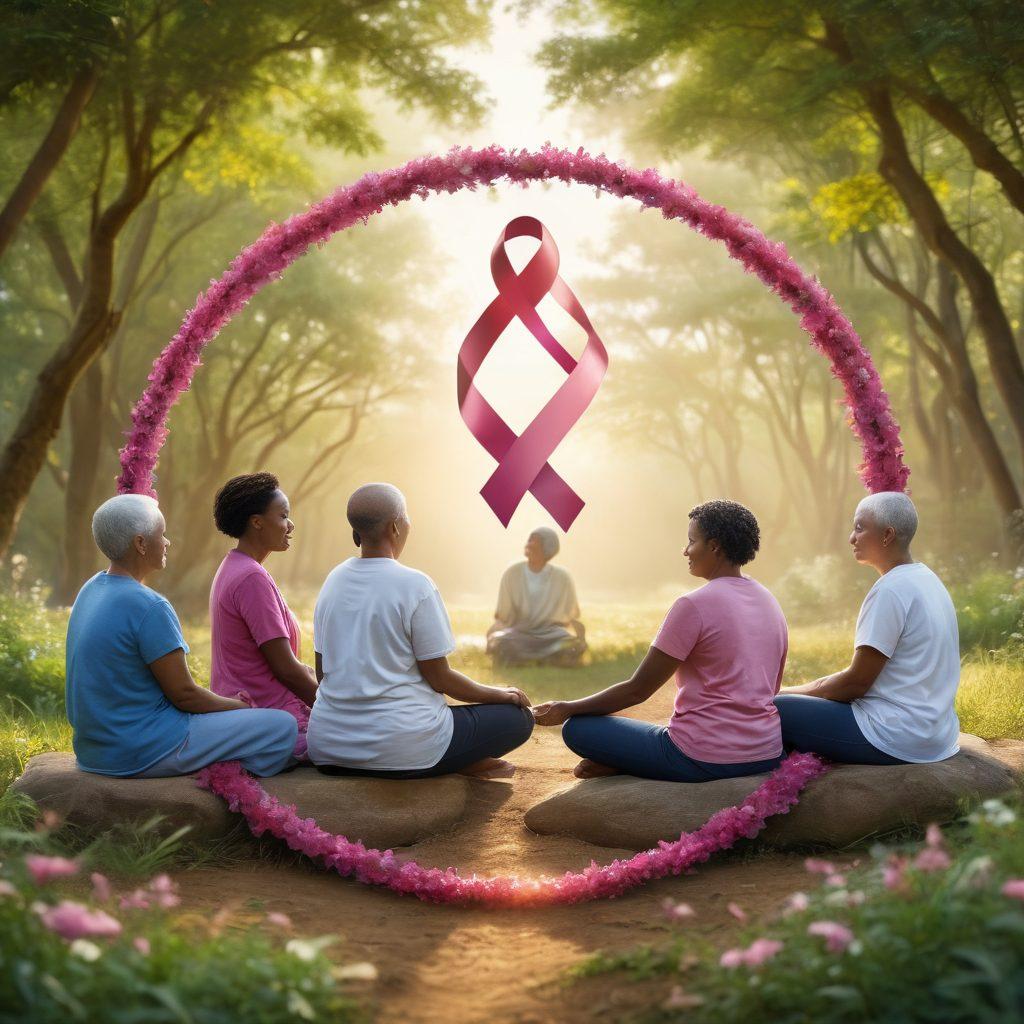
But it’s not just about the medical side; the emotional toll of cancer cannot be underestimated. In fact, mental health is a critical component of overall well-being during a cancer journey. Having access to survivor support groups and peer support can make a world of difference. As the famous quote goes, 'Sometimes the bravest and most important thing you can do is just show up.' Participating in community events or speaking with peers who understand your struggles can enhance your resilience, helping to foster a sense of belonging and understanding.
In the world of oncology, numerous patient resources are available to help you create a multi-faceted support system. Consider holistic approaches that incorporate wellness strategies beyond conventional medicine—like yoga, meditation, and lifestyle changes—that can complement your selected therapies. Preventive measures, such as maintaining a balanced diet, staying physically active, and prioritizing mental health, are powerful tools to aid in symptom management and promote recovery. Have you explored how small shifts in your lifestyle could lead to substantial improvements in your well-being?
Lastly, advocacy and information sharing play an important role in empowering individuals on their cancer journey. Engage with your health community and consider participating in research studies or clinical trials that could lead to breakthrough cancer prevention strategies and innovative treatments. Remember, you are not alone in this journey, and by harnessing the power of education, peer support, and wellness resources, you become a driving force for change—not just for yourself, but for future patients navigating similar paths.
Empowering Patients and Survivors: Essential Support for Cancer Awareness and Health
Navigating the treacherous waters of a cancer diagnosis can feel overwhelming. Whether you're a patient currently in treatment or a survivor seeking to empower others, understanding the myriad resources available to you can transform your journey. Imagine a world where knowledge is power, and every informed decision you make equips you with the tools to advocate for your own health. In the quest for cancer awareness and optimum wellness, we will explore essential support systems, educational pathways, and community resources designed to illuminate your path and strengthen your resolve.
When it comes to cancer awareness, having access to the right information can be a game-changer. Did you know that every day, new research studies are conducted in the field of oncology? These investigative efforts often reveal innovative cancer treatment options that may not have been available just a week ago. From clinical trials testing groundbreaking therapies to information sharing platforms connecting patients with similar diagnoses, the key lies in staying informed. This not only boosts your confidence but also enables you to make empowered choices regarding your health and treatment.
It’s crucial to remember that everyone’s cancer journey is unique, much like the varied cancer types that exist. So, how can we find relatable support during such a personal battle? Consider reaching out to your health community or local cancer support groups. There is immense strength in peer support, as sharing experiences can diminish feelings of isolation. Engaging in survivor support networks allows you to forge connections and cultivate friendships built on understanding and shared experiences, providing you with not only comfort but also practical health tips.
Let’s talk about the importance of lifestyle changes in your wellness journey. It’s no secret that preventive measures can significantly impact the effectiveness of symptom management and overall well-being. Simple shifts, like incorporating a nutritious diet, integrating exercise into your routine, and practicing mindfulness, can work wonders. A study published recently indicated that holistic approaches, blending physical well-being with mental health, lead to improved outcomes in cancer patients during treatment. What lifestyle changes have you made or considered that could impact your path to recovery?
Ultimately, the fight against cancer requires not only medical intervention but also a commitment to advocacy and continued education. Embracing your role as an informed patient fosters a supportive environment where you can explore cancer prevention strategies and the latest healthcare advancements. As you embark on your journey, remember to lean on the resources that empower you, share your challenges and discoveries, and inspire others to take charge of their health. Your cancer journey can be transformed, and you possess the strength to influence your well-being and brighten the path for others.
Holistic Approaches to Cancer Care: Tips on Lifestyle Changes and Symptom Management
As we embark on the complex journey of cancer treatment and recovery, many often find solace in the concept of holistic approaches to cancer care. This broad perspective embraces not only the medical treatments offered in oncology but also the various lifestyle changes, mental health strategies, and complementary therapies that can ease symptoms and enhance well-being. This approach encourages us to look beyond just surviving and instead aim for thriving during our cancer journey. Could it be that the path to true wellness is an amalgamation of both traditional healthcare and nurturing our physical, emotional, and spiritual selves?
Exploring lifestyle changes plays a critical role in empowering cancer patients and survivors. Nutrition, for instance, shouldn’t just be about dwelling on health but rather about embracing food as an integral part of our healing journey. Imagine swapping out processed snacks for vibrant veggies and fruits, nurturing our bodies with whole foods rich in antioxidants. By empowering ourselves with knowledge from research studies and medical research, we can make informed decisions about our diets and how they can assist in cancer treatment options and preventive measures. What if you could take control over your plate and, by doing so, contribute positively to your health?
Symptom management is a fundamental aspect of any cancer journey. All too often, patients may feel overwhelmed by the side effects of therapies such as chemotherapy or radiation. Yet, through education and advocacy, we can better prepare ourselves for these challenges. Techniques such as mindfulness, yoga, and deep breathing exercises have emerged as compelling tools in the realm of symptom management. By integrating these holistic approaches into our daily routines, we create a balanced foundation where mental health is prioritized along with physical healing. Isn’t it fascinating how the mind and body can work in tandem to enhance our well-being?
Peer support and the importance of community cannot be overstated in our fight against cancer. Engaging with a health community can provide a network of understanding and shared experiences that really make a difference. Survivor support groups and programs focused on cancer awareness not only offer essential patient resources but also foster an atmosphere conducive to information sharing. In what ways can you start reaching out to others? Perhaps by participating in local support groups or engaging in cancer support online forums, you can find that the shared strength of the community propels you along your cancer journey.
Ultimately, the quest for wellness during cancer treatment is a personal and transformative experience. Whether it's adjusting our lifestyles, embracing innovative symptom management techniques, or seeking out the support of our peers, each choice we make is a step toward reclaiming our lives in the face of adversity. Holistic approaches encourage us to be proactive and informed participants in our own health journeys rather than passive recipients of care. As we navigate through the myriad of cancer types and treatment pathways, let’s redefine what it means to be a patient and, in doing so, turn the tide of our cancer journey into one of empowerment and hope.